Skip to content
My Probiotic HomeAuthorized E-Biotic Home dealer · DFW

Research

The science behind the good bacteria.

Probiotic cleaning has been studied in hospitals and labs for years. Here's what independent researchers found, quoted from the published papers and linked so you can read every one yourself.

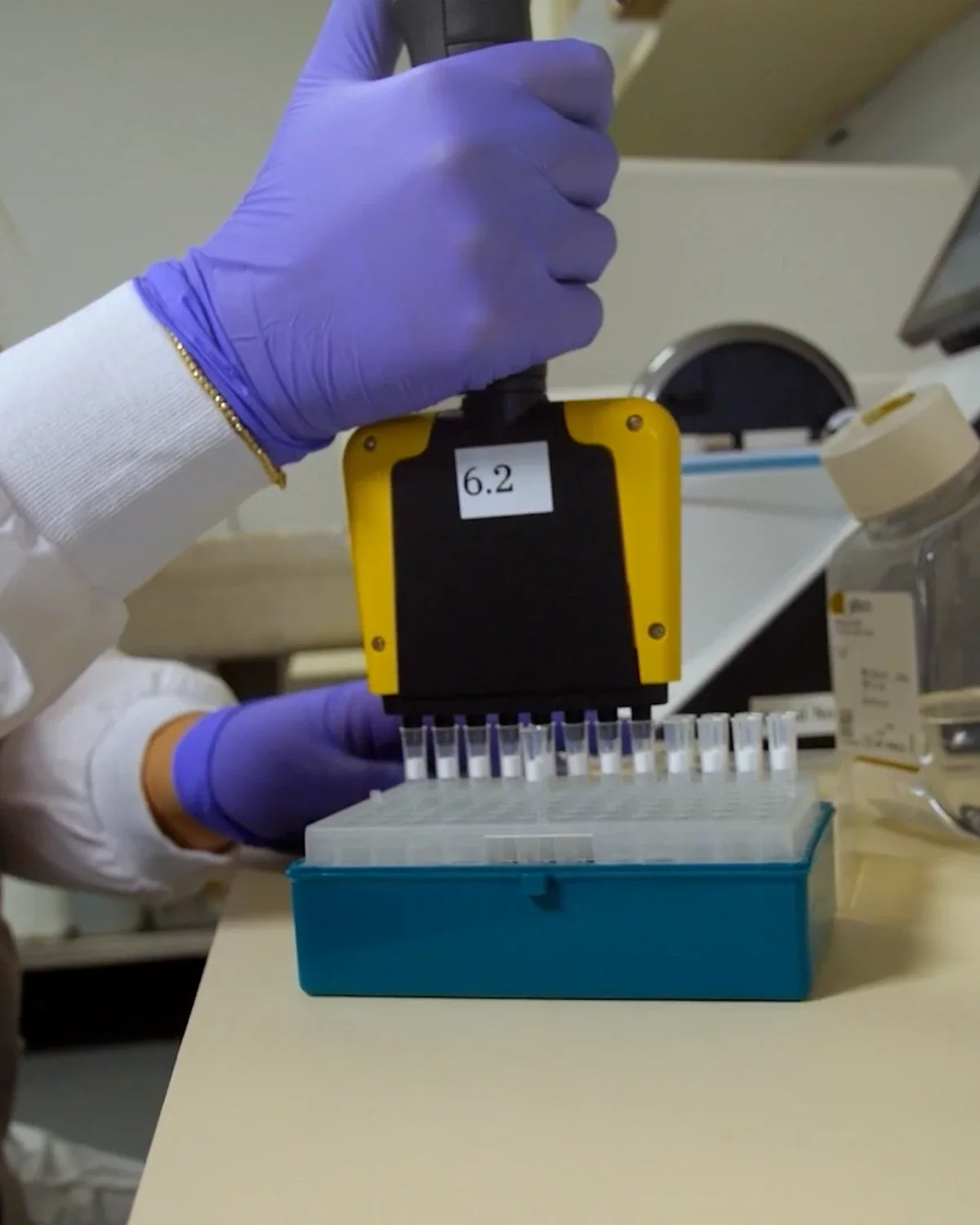
A lab technician preparing samples at a research bench

Key findings

Three studies worth knowing.

Each figure comes straight from the study's published abstract.

Clinical study · PLOS ONE, 2018

83%±

average reduction in surface pathogens

Six hospitals, 11,842 patients, 24,875 environmental samples. Probiotic-based sanitation was associated with a mean 83% decrease in surface pathogens (range 70–96.3%), and healthcare-associated infection incidence fell from 4.8% to 2.3%.

Caselli E, et al. · Setting: Six hospitals, probiotic-based cleaning products
Clinical study · Infection and Drug Resistance, 2019

99%±

reduction in antimicrobial-resistance genes, at most

Five hospitals, six months per sanitation type. Probiotic sanitation was associated with up to a 99% decrease in resistance genes in surface microbiota and a 33–100% decrease in resistant strains depending on the antibiotic; antimicrobial drug use tied to infections fell 60.3%.

Caselli E, et al. · Setting: Five hospitals, probiotic-based cleaning products
Laboratory study · MicrobiologyOpen, 2023

97.7%±

prevention of dry biofilm formation in the lab

A Bacillus-based probiotic cleanser prevented over 97.7% of dry biofilm formation by E. coli and S. aureus across steel, ceramic and melamine surfaces. Microscopy showed the probiotic bacteria germinating and colonising the surfaces, likely forming a protective layer.

Wormald R, et al. · Setting: Laboratory surfaces, a Bacillus-based probiotic cleanser

More direct studies

Clinical and laboratory work.

Clinical study · 2016

Probiotic Bacillus remained active on dry indoor surfaces.±

Bacillus spores germinated on treated surfaces, competed with and displaced pathogens, and did not select for resistant species. The procedure instead produced an evident decrease in antibiotic-resistance genes in the surface population.

Caselli E, et al. · Impact of a Probiotic-Based Cleaning Intervention on the Microbiota Ecosystem of the Hospital Surfaces: Focus on the Resistome Remodulation · PLOS ONE

Laboratory study · 2020

Probiotic cleaning demonstrated competitive exclusion of pathogens.±

An eight-month trial compared a Bacillus probiotic cleaner, disinfectant, plain soap and water on ceramic, linoleum and stainless steel. Probiotic and soap regimes fostered competitive exclusion of E. coli and S. aureus far more effectively than disinfectant.

Stone W, et al. · Disinfectant, Soap or Probiotic Cleaning? Surface Microbiome Diversity and Biofilm Competitive Exclusion · Microorganisms

Clinical study · 2026

28% lower healthcare-associated infection rate during probiotic cleaning.±

5,753 hospitalisations over two consecutive 12-month periods. Infection incidence was 3.61 vs 5.01 episodes per 1,000 patient-days during the probiotic period, about a 28% lower crude rate. The authors note the study was not randomised, so cause cannot be concluded.

Racodon M, et al. · Association Between a Probiotic-Based Cleaning Strategy and Healthcare-Associated Infection Incidence: A Hospital-Based Quasi-Experimental Study · Journal of Hospital Infection

Reviews

What researchers say across the studies.

A review summarizes other researchers' studies rather than reporting a new result, so we keep them separate.

Review of studies · 2024

Experts find probiotic cleaning comparable to conventional disinfectants in major clinical testing.±

Infection-control researchers from five European countries summarised the evidence to June 2023: probiotic cleaning was similarly effective at reducing infection-related pathogens in environmental samples, and non-inferior to disinfectants for preventing infections in a large randomised trial. They stress that more standardisation and research are needed.

Denkel LA, et al. · Can probiotics trigger a paradigm shift for cleaning healthcare environments? A narrative review · Antimicrobial Resistance & Infection Control

Review of studies · 2025

16 studies reviewed; all reported numerically lower pathogen counts or infections.±

A review of 16 studies, 13 in clinical settings and 3 on experimental surfaces. All showed numerically lower pathogen counts and/or fewer infections with probiotic-based cleaning than with disinfectants and detergents. The authors call for further long-term research.

Falagas ME, et al. · Probiotic-Based Cleaning Solutions: From Research Hypothesis to Infection Control Applications · Biology (MDPI)

E-Biotic Pro lab reports

Want the full reports? Just ask.

We share the E-Biotic Pro's own lab and field reports with every homeowner who asks. They're walked through on your free consultation, or we'll email them to you.

Gloved hands pipetting samples in a lab

±Figures are quoted from published, peer-reviewed studies of probiotic-based cleaning, mostly in hospitals, and link to the original papers. None of these studies tested the E-Biotic Pro or delivery through a home heating and air system. Results in your home will differ. The E-Biotic Pro is not a medical device and does not diagnose, treat or prevent any condition.

See if your home is a good fit.

Six quick questions about your home and your heating and air. You'll get an honest answer right away, and a free consultation if it's a match.